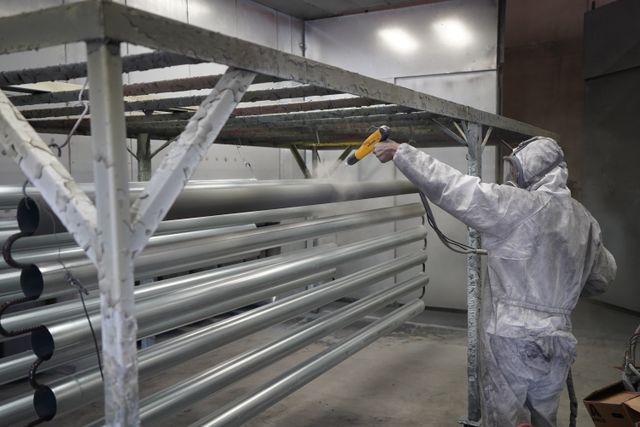
Protective coatings are widely used to help preserve metal structures, machinery and industrial components exposed to demanding operating conditions. Their effectiveness depends not only on selecting a suitable coating product but also on ensuring that the underlying metal surface meets the requirements of the chosen coating system. Inadequate preparation can cause adhesion problems, premature deterioration, and unnecessary maintenance, even when high-quality protective materials are used. Businesses evaluating preparation techniques through experienced specialists such as Surface Prep should consider substrate condition, existing contamination, environmental exposure, and the technical specifications for the intended treatment. Establishing clear preparation requirements before work begins helps organisations select appropriate methods, manage operational risks and create suitable conditions for subsequent coating application.
Assessing the Condition of the Metal Substrate
Before selecting a preparation method, businesses should establish the condition of the metal surface. Existing rust, pitting, old coatings, mechanical damage and accumulated contamination can influence how the substrate should be treated. The extent of deterioration may also determine whether additional repairs or engineering assessments are necessary.
A surface that appears satisfactory externally may contain defects concealed beneath existing coatings. Removing these coatings can reveal areas requiring further investigation. Preparation planning should therefore account for the possibility that additional maintenance requirements may become apparent as work progresses, particularly when refurbishing older equipment or structures.
Understanding the Intended Protective Coating System
Different protective coatings require different surface preparation conditions. Coating systems may be designed for particular environmental exposures, substrates and operational requirements, with manufacturers providing specifications that influence preparation methods.
Businesses should review the technical guidance associated with the selected coating before determining the required preparation process. Relevant information may include cleanliness requirements, surface profile, permitted application conditions and restrictions relating to contaminants. Selecting preparation methods without understanding these requirements can create unnecessary work or result in a surface that is unsuitable for the intended treatment.
Identifying Existing Surface Contaminants
Metal surfaces may contain oil, grease, dust, soluble salts, moisture, and residues from previous operations or treatments. These contaminants can interfere with coating adhesion or contribute to deterioration after application.
Some contamination may not be visible during ordinary inspection. Businesses should therefore establish which contaminants are relevant to the application and determine whether additional cleaning or testing is required. For example, surfaces previously exposed to marine environments may require particular attention to soluble salts. The cleaning sequence should address identified contamination before applying the coating.
Removing Existing Coatings and Corrosion Products
Refurbishment projects often involve metal surfaces that have previously received protective treatments. Existing coatings may have deteriorated, lost adhesion or become unsuitable for the proposed maintenance strategy.
The decision to remove all existing coating material or retain suitable sections depends on its condition and compatibility with the intended treatment. Where removal is required, select appropriate preparation methods to minimise unnecessary substrate damage. Existing corrosion products should also be addressed according to the preparation specification. Any significant material deterioration revealed during cleaning should be assessed before coating proceeds.
Achieving the Required Surface Cleanliness
Surface cleanliness describes the extent to which unwanted material has been removed from the substrate. Protective coating specifications may set specific cleanliness requirements that must be met before application.
Different preparation methods produce different results, and visual cleanliness alone may not demonstrate that every relevant contaminant has been removed. Businesses should identify appropriate inspection procedures and acceptance criteria before starting work. Where recognised preparation standards are relevant to the project, these should be included within the technical requirements and understood by personnel responsible for carrying out and inspecting the work.
Establishing an Appropriate Surface Profile
Surface profile refers to the texture created or retained on a prepared substrate. Many protective coatings require a defined profile to support effective adhesion and accommodate the intended coating thickness.
The appropriate profile depends on the coating system and substrate. Excessive roughness can create application difficulties, while insufficient profile may fail to meet coating requirements. Abrasive blasting and certain mechanical preparation methods can modify surface texture, but results depend on equipment settings and operating conditions. Use suitable measurement procedures where profile verification forms part of the preparation specification.
Considering Environmental Conditions
Environmental conditions can influence both surface preparation and coating application. Temperature, humidity, condensation and airborne contamination may affect the condition of a freshly prepared metal surface.
For example, moisture can contribute to renewed corrosion before the protective coating is applied. Condensation may also interfere with coating performance. Businesses should establish suitable monitoring arrangements based on coating manufacturer guidance and relevant project specifications. Where conditions are unsuitable, additional environmental controls or changes to the work schedule may be required.
Selecting the Most Suitable Preparation Technique
Abrasive blasting, mechanical cleaning and other surface treatment techniques can each be appropriate in different circumstances. The choice depends on substrate characteristics, contamination levels, access restrictions and the condition required for subsequent coating application.
Aggressive methods may be unsuitable for thin or sensitive components, while less intensive techniques may fail to achieve the necessary cleanliness or profile on heavily deteriorated surfaces. Businesses should evaluate preparation methods against measurable requirements rather than selecting a technique solely because it is familiar or readily available. Representative trials may help establish suitability for unfamiliar applications.
Managing the Time Between Preparation and Coating
Freshly prepared metal surfaces may become contaminated or begin to deteriorate when exposed to unsuitable environmental conditions. The period between preparation and coating application can therefore influence the quality of the finished treatment.
Businesses should coordinate preparation, inspection and coating activities to reduce unnecessary delays. The acceptable interval depends on the substrate, environmental conditions and coating specifications. If surface deterioration or contamination occurs before application, further cleaning or preparation may be necessary. Inspecting the surface immediately before coating helps confirm whether it remains suitable.
Protecting Sensitive Components and Surrounding Areas
Industrial surface preparation may take place near operating machinery, electrical equipment, precision components or other areas requiring protection. Abrasive particles, dust and removed coating materials can affect surrounding equipment if not appropriately contained.
Project planning should identify sensitive surfaces, openings and adjacent operations before preparation begins. Suitable masking, isolation, and containment arrangements can help protect areas not intended to receive treatment. Businesses should also coordinate with operational teams where preparation activities could affect production or other maintenance work.
Addressing Workplace Safety and Environmental Responsibilities
Surface preparation can involve hazards associated with airborne particles, noise, machinery and potentially hazardous existing coatings. Businesses should assess these risks and establish appropriate control measures before commencing work.
Relevant arrangements may include containment, extraction, personal protective equipment and safe handling procedures. Waste resulting from preparation activities should also be assessed and managed according to applicable requirements. These responsibilities are particularly important when removing older coatings that may contain hazardous substances. Effective preparation planning considers safety and environmental management alongside technical performance.
Documenting and Inspecting the Prepared Surface
Inspection provides an opportunity to verify whether preparation requirements have been achieved before protective coatings are applied. Depending on the project, this may involve checking cleanliness, surface profile, environmental conditions and relevant contamination levels.
Documenting inspection results helps establish a record of the conditions under which coating work takes place. Where preparation does not meet the specified requirements, corrective work should be completed before progressing. Consistent records can also support future maintenance planning and investigations if coating performance issues arise.
Frequently Asked Questions (FAQs) About Preparing Metal Surfaces for Protective Coatings
Why is surface preparation necessary before applying protective coatings?
Surface preparation removes unwanted materials and establishes conditions suitable for the selected coating system. Contaminants, corrosion products and unsuitable surface texture can interfere with adhesion and contribute to premature coating deterioration. Proper preparation supports coating performance when combined with correct application, curing and ongoing maintenance.
Do existing coatings always need to be completely removed?
No. The decision depends on the condition, adhesion and compatibility of the existing coating with the proposed treatment. Some maintenance systems may permit suitably prepared existing coatings to remain. The relevant coating manufacturer’s guidance and project specification should determine whether complete removal is necessary.
How can businesses determine the correct surface profile?
The required profile should be established from the protective coating specification and relevant preparation requirements. Different coatings may require different surface textures. Appropriate inspection and measurement methods can help verify that the prepared substrate meets the specified profile before coating application begins.
Can environmental conditions affect coating preparation?
Yes. Humidity, temperature, condensation and airborne contamination can influence the condition of prepared metal surfaces. Unsuitable conditions may contribute to renewed corrosion or interfere with coating adhesion. Environmental monitoring and suitable work scheduling help ensure preparation and application occur within relevant technical requirements.
What should be checked immediately before applying a protective coating?
The prepared surface should be assessed against relevant cleanliness, profile and contamination requirements. Environmental conditions and any renewed deterioration should also be considered. The appropriate inspection scope depends on the coating system, substrate and project specification. Identified deficiencies should be addressed before application proceeds.
Conclusion
Preparing metal surfaces for protective coatings requires careful consideration of substrate condition, contamination, environmental exposure and coating specifications. Selecting an appropriate preparation method is essential, but successful treatment also depends on inspection, controlled application conditions and effective coordination throughout the project.
Businesses should establish clear preparation requirements before work begins and verify they have been met before applying protective coatings. This structured approach can reduce avoidable coating problems, support more reliable maintenance outcomes and help preserve the condition of valuable industrial assets.
